
Bridging creativity and technical precision in game asset development
Exploring workflows, tool choices, and artistic decisions that shape interactive 3D environments.
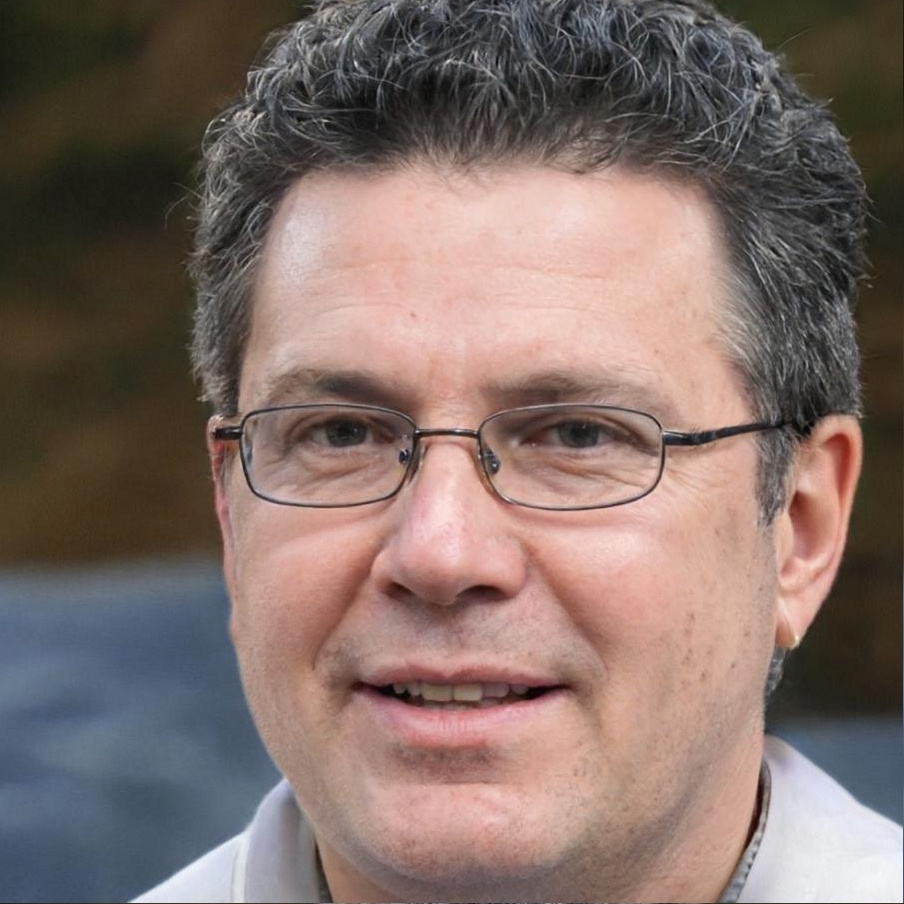
Callum Fitzroy
I've been working in game art production since 2016, focusing primarily on hard-surface modeling and environment assets. My background spans indie projects and mid-sized studio work, where polygon budgets and texture memory force constant trade-offs between visual fidelity and performance.
This space documents techniques I've tested, tools that proved useful, and workflows that survived actual production timelines. I write about UV layout strategies, baking normal maps without artifacts, and optimizing meshes for real-time engines without sacrificing silhouette quality.
Most of my current work involves modular architecture systems and prop libraries that need to tile seamlessly while maintaining visual variety. The challenge is always balancing artist time against asset reusability.
What drives my approach to game modeling
UV optimization
Maximizing texture space usage through strategic seam placement and shell packing. Consistent texel density across asset sets prevents visible quality jumps.
Material workflows
Designing PBR materials that render consistently under various lighting conditions. Proper roughness and metallic values matter more than texture resolution.
How my modeling practice evolved
01
Architectural visualization foundations
Started with archviz work where photorealism mattered more than polygon count. Learned proper scale, proportion, and how to read technical drawings before translating them into geometry.
02
Transition to real-time constraints
Moving into game development required completely rethinking asset creation. Discovered that beautiful offline renders mean nothing if the mesh can't maintain frame rate in-engine.
03
Modular system development
Now focused on creating flexible asset libraries that level designers can recombine endlessly. The goal is maximum environmental variety from minimum unique pieces.
Let's discuss game art production
I share detailed breakdowns of modeling processes, tool comparisons, and solutions to common production problems. If you're working on game assets or building environment art pipelines, these insights might prove useful.
Reach out if you want to discuss specific technical challenges or share your own workflow discoveries.